Built Around Functional Accountability
Every team member owns a specific lever that moves investor returns — leasing speed, renewal rates, maintenance response, construction quality, technology, reporting, or strategy. When something goes right or wrong, one person answers for it.
Specialists, Not Generalists
Most firms assign one generalist to a portfolio of units and ask them to handle everything that comes up — leasing, renewals, maintenance, construction, and reporting all funneled through a single overloaded person. The work that quietly moves returns gets crowded out by whatever is loudest that day.
PAM is built differently. The work is split across specialists, each accountable for a specific phase of the investment lifecycle. That's what functional accountability means: when leasing slows, when a renewal slips, when a turn runs long, there is one named person who answers for it — not a shrug and a shared inbox.
Leadership
The three people who set the firm's direction, run its operations, and build the technology that lets every specialist do their job.

Jim Miller
Founder
Jim came to property management the expensive way — as the investor writing the checks. The gap between what he paid managers and what his portfolio got back is the reason PAM prices, reports, and operates the way it does. After roughly two decades in the industry and 17 years building PAM, he still takes the 15-minute calls with prospective clients personally and reviews portfolio-level performance across the entire 450+ unit book — focused on ethical practice, long-term asset growth, and the resident-first philosophy behind PAM's 88.76% renewal rate.

Angelika
Director of Operations / Chief of Staff
Angelika runs the operational backbone of the firm: standardized processes, vendor coordination, internal accountability, and the systems that keep 450+ units running consistently across six counties. If a process exists at PAM, Angelika owns it. If a process doesn't exist yet, she's the one writing it.

Huzaifa
Director of Technical Strategy
Huzaifa leads the technology stack behind what PAM calls “humanation”: software that speeds up the routine so the team can focus on the decisions that actually move asset performance. That includes the owner and resident portals, internal reporting infrastructure, and the data pipelines behind CapEx, IncomeEx, and IRR reporting.
Property Management
PAM organizes property management by specialty rather than by territory — each person accountable for a single phase of the investment lifecycle.

Frida
Roving Problem Solver
Frida handles the cases that don't fit a standard playbook. When a resident situation gets complicated, when a property has structural issues that need diagnosis before a vendor is dispatched, or when something needs a person on the ground rather than a phone call, Frida is the one who shows up.

Manu
Construction Specialist
Manu manages the rent-ready and move-in-ready work that determines how quickly a vacant unit gets back to producing income. Construction quality, scope discipline, and vendor management all run through Manu's desk.

Elaria
Lease Renewal Specialist
Elaria owns the renewal process — the single highest-leverage activity in long-term returns. Industry-average renewal sits near 54%; PAM's runs 85 to 90%, and Elaria is the operational reason: market-rent analysis before each conversation, direct resident negotiation, and tracking that ensures no renewal gets handled as paperwork.

Lucas
Leasing Specialist
Lucas runs the front end of the resident lifecycle: marketing, applicant screening, showings, and lease execution. Every PAM-placed resident comes through his screening process — 24-month rental history, net income verification, and bank balance review. PAM's Leasing Guarantee (free re-placement if a PAM-placed resident leaves within 12 months) depends on the discipline of this phase.
Content & Communication
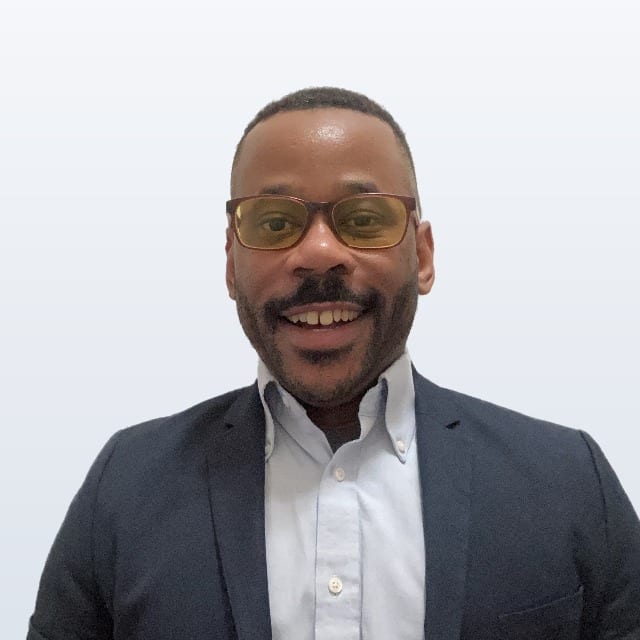
Keith Howard
Content Manager
Keith brings 17 years of professional writing experience to PAM's investor-education work. The analytical posts on lease-renewal economics, CapEx planning, CMA reports, IRR projections, and the rent-versus-sell decision are written under his direction. The goal is investor-focused content that answers real questions and solves real problems.
Read his recent postsHow The Team Works Together
Most firms either over-automate — cheap, fast, impersonal — or under-automate, slow and inconsistent. PAM splits the difference by function, so neither side suffers. Technology handles the routine; human judgment handles the decisions that shape long-term returns.
Technology Handles The Routine
- 24/7 maintenance dispatch
- Automated rent collection and disbursement
- Real-time owner portals and notifications
- Reporting that powers CapEx, IncomeEx, and IRR analysis
Human Judgment Handles The Decisions
- Lease negotiations and renewal strategy
- Vendor selection and quality control
- Scope calls on construction and turns
- Hold, sell, or improve conversations with investors
The split is deliberate — automation where it adds speed, people where it adds judgment.
Schedule A 15-Minute Call With Jim Miller
He'll get you to the right person on the team for what your portfolio actually needs.